Most hydrating drinks
Which drinks kept the most water in a controlled trial, including milk, sparkling water, soda, tea, and oral rehydration solution, and what that ranking means for everyday sipping.
· 7 min read · Preet Mishra
In short
In one careful trial, milk and oral rehydration solution held more water than still water for a couple of hours. Sparkling water, tea, coffee, and cola looked a lot like water in that short window.
The study that ranked everyday drinks measured something narrow and useful: how much of a liter was still in the body two hours later, in men who were not dehydrated. Milk and an oral rehydration solution kept more than still water. Sparkling water, cola, tea, and coffee did not separate from water. A drink can hold water for two hours and still be a so-so everyday choice because of sugar.
What the beverage hydration index measured
Maughan and colleagues published the trial in the American Journal of Clinical Nutrition in 2016. Seventy-two men, fasted and already euhydrated, each drank a liter of still water or one of three other commercial drinks over 30 minutes. Urine was collected for the next four hours. The beverage hydration index was the water retained at two hours, corrected for the water content of the drink, relative to still water. Still water is 1 by definition. A higher number means more of the drink was still on board at that two-hour mark (Maughan and colleagues, 2016).
Over the full four hours, urine output was lower than after still water for three drinks: an oral rehydration solution (mean urine about 1038 g versus 1337 g after water), full-fat milk (1052 g), and skimmed milk (1049 g). The two-hour index sat near 1.54 for the oral rehydration solution, 1.50 for full-fat milk, and 1.58 for skimmed milk. Cola, diet cola, hot tea, iced tea, coffee, lager, orange juice, sparkling water, and a sports drink were not different from water in cumulative urine at four hours.
The men were not dehydrated. They drank a liter quickly, at rest, after a fast. The window is a few hours, and everyone in the trial was male. The index says what the kidneys did with that liter. It does not pick a drink for the next thirty years.
Does milk hydrate you?
In that trial, yes. Both full-fat and skimmed milk produced less urine than still water, and the two-hour index sat near 1.5 to 1.6. The authors point to energy, protein, and electrolytes, which slow emptying and help the body hold fluid.
Everyday guidance already counts milk. The NHS includes lower-fat milk in the 6 to 8 drinks and suggests semi-skimmed, 1% fat, or skimmed for adults (NHS, water, drinks and hydration). The CDC lists milk among drinks with calcium, potassium, and vitamin D. Mayo Clinic includes it among liquids that hydrate.
Milk is not a treatment swap for a child with diarrheal dehydration. Keep usual milk feeds and use an oral rehydration solution when salts are being lost. Lactose intolerance and a milk allergy are reasons milk is the wrong drink regardless of its hydration index. The trial did not study those groups.
Oral rehydration solution
The oral rehydration solution in the Maughan trial is the other drink that clearly beat water. That fits what the solution is built to do. The reduced-osmolarity formula used in WHO guidance supplies, per liter, 75 mmol of glucose and 75 mmol of sodium, plus potassium, chloride, and citrate, at 245 mOsm/L. Glucose and sodium are absorbed together in the gut, which pulls water with them. That is why the solution exists for fluid lost through diarrhea.
The hydration index says the solution also holds more water than still water in healthy men who were not ill. It does not say healthy people should drink rehydration salts instead of water on a normal day. Salt load and taste both argue against that. For vomiting or diarrhea, a pharmacist can point you to a suitable product. The composition and the kitchen-ratio warning are in how to rehydrate fast.
Does sparkling water hydrate you?
In the Maughan trial, sparkling water did not differ from still water in urine output over four hours. Carbonation did not show up as a penalty or a bonus in that measurement. The CDC lists sparkling water and seltzers with plain coffee and tea as low-calorie choices. The NHS suggests sparkling water, or water with lemon or lime, if you dislike still water.
Sparkling water with added sugar is a different product. Once sugar is in the bottle, the usual advice about sugary drinks applies, even if the bubbles are the same. Flavored sparkling water with no sugar is closer to the drink the trial and the CDC are describing. Check the label rather than the word “sparkling.”
Does soda hydrate you?
Cola and diet cola did not produce more urine than still water over four hours. That is the narrow question the trial could answer.
Whether soda is a great everyday hydrator is a different question. Sugary fizzy drinks are best kept occasional because of calories and teeth. Diet drinks skip the sugar; they are still not an upgrade on water for nutrition.
Caffeine in cola does not, by itself, erase the water in the can for the purpose of that trial. A can is also a modest caffeine dose next to coffee. The NHS pregnancy page estimates about 40 mg in a can of cola. Whether caffeine undermines a day’s fluid is covered in does coffee dehydrate you, and the amounts are in the caffeine calculator. “It can count as fluid” and “it is a healthy drink” are different sentences. Soda can do the first in the trial’s terms and fail the second.
Tea, coffee, juice, and beer in the same trial
Hot tea, iced tea, and coffee were not different from water. That lines up with the National Academies’ conclusion that caffeinated drinks can contribute as much as other drinks toward daily water, and with the NHS listing tea and coffee among drinks that count (National Academies). Tea has its own page because the caffeine dose and the cup size deserve a closer look: does tea dehydrate you.
Orange juice was not different from water in the four-hour urine. Fruit juice and smoothies are still often capped at one small glass with a meal because of sugar. A hydration index does not cancel a sugar habit check.
Lager was also not different from water in that single liter, in men who were already hydrated. Alcohol as a habit is a classic route to dehydration. One liter of beer in a controlled morning trial is not a license to treat beer as water. If you drink alcohol, keep it moderate, and skip it while you are catching up on fluid.
What to do with the ranking
For water retained over a couple of hours in someone already hydrated, the trial’s standouts are oral rehydration solution and milk. For an everyday drink, water comes first, milk counts as a nutritious fluid, and unsweetened tea or coffee can join the total. Sparkling water without sugar behaved like water. Soda can match water for a few hours of urine and still be a drink to keep occasional.
The day’s total is a separate question. The water intake calculator starts from the National Academies, EFSA, and the NHS guide of 6 to 8 drinks. Those are population figures, not a brand ranking.
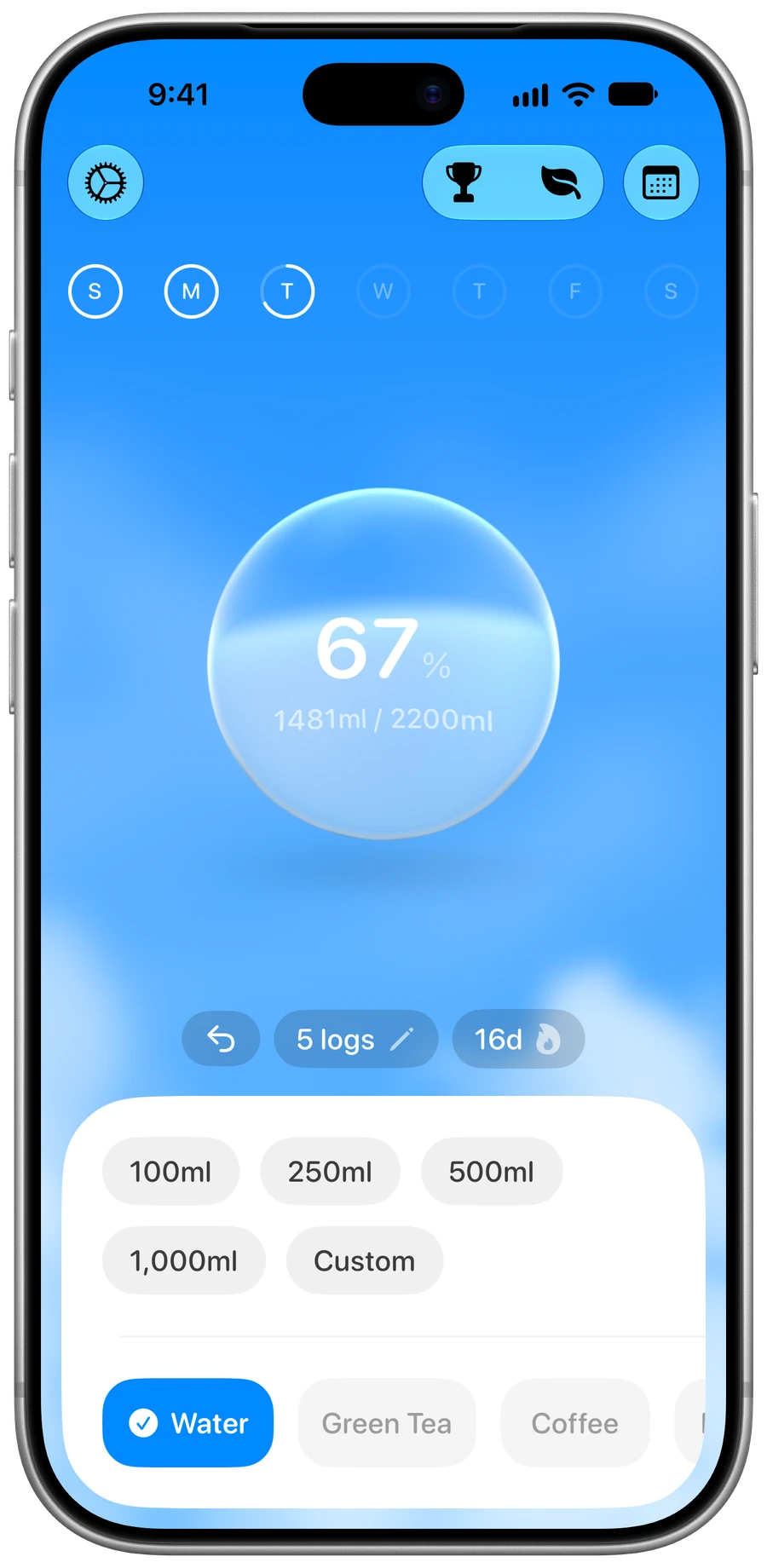
Nami gives each drink a hydration percent of the volume you log, so milk and soda do not add the same amount. That percent is the app’s serving rule, not the beverage hydration index.
If you are already behind on fluid after heat or illness, start with the practical steps in how to rehydrate fast rather than hunting for the highest index on a chart.
FAQ
What is the most hydrating drink?
In the 2016 trial, oral rehydration solution and both full-fat and skimmed milk kept more fluid in men at two hours than still water. Sparkling water, cola, diet cola, tea, coffee, orange juice, lager, and a sports drink did not differ from water over four hours of urine. The men were already hydrated and drank a liter at rest.
Does milk hydrate you?
Yes. Everyday guidance counts milk as fluid, and the trial retained more of it than still water over the hours measured. Lower-fat milk is a common everyday pick for adults. Milk is not the treatment for a child with diarrheal dehydration. That is an oral rehydration solution, with usual milk feeds continued.
Does sparkling water hydrate you?
The trial found no urine difference versus still water over four hours. Unsweetened sparkling water is a normal fluid. Sweetened sparkling drinks are sugary drinks.
Does soda hydrate you?
Cola and diet cola did not raise urine above water in that trial. Sugary soda is still best kept occasional because of sugar, calories, and teeth. Diet soda skips the sugar and is not an upgrade on water for nutrition.
Does the beverage hydration index apply if I am already dehydrated?
No. The trial studied already-hydrated men. A real deficit, especially after vomiting or diarrhea, follows a simpler path: drink, use oral rehydration solution when salts are being lost, and get help if you feel seriously unwell. The index is a short retention ranking, not a treatment plan.
For general information only. Not a substitute for advice from a qualified health professional.
- #hydration
- #milk
- #sparkling water
- #soda
Log the drinks in Nami
Nami is a water and caffeine tracker for iPhone. Each drink counts as a set percent toward the day, and the caffeine total sits beside it. Free to download, with optional Pro.